February 1, 2026
4 min
Best eSIM for Japan 2026: Tested & Ranked (Don't Overpay)
Honest comparison of the best eSIMs for traveling in Japan: Voilà vs. Airalo, Holafly, Ubigi, Saily. Price, reliability, blocked apps... it's all here!

Are you planning a trip to Japan? 🇯🇵
So let me guess: you're probably wondering where to start.
👉 When to go, how long to stay, how much to budget...
👉 How to get internet access, where to withdraw money, what kind of accommodation to choose...
In short, planning a trip to Japan can quickly become a real headache.
But don't worry: here you will find a comprehensive guide, simple and practical, to help you organize your stay.
And above all, stay tuned until the end 👀: I'm going to share some exclusive tips with you, tested directly on site! Tips you won't find anywhere else, and which can really save you time, money, and a lot of hassle.
Ready? Let's go! ✈️
Rony
2025-10-21
15 min read
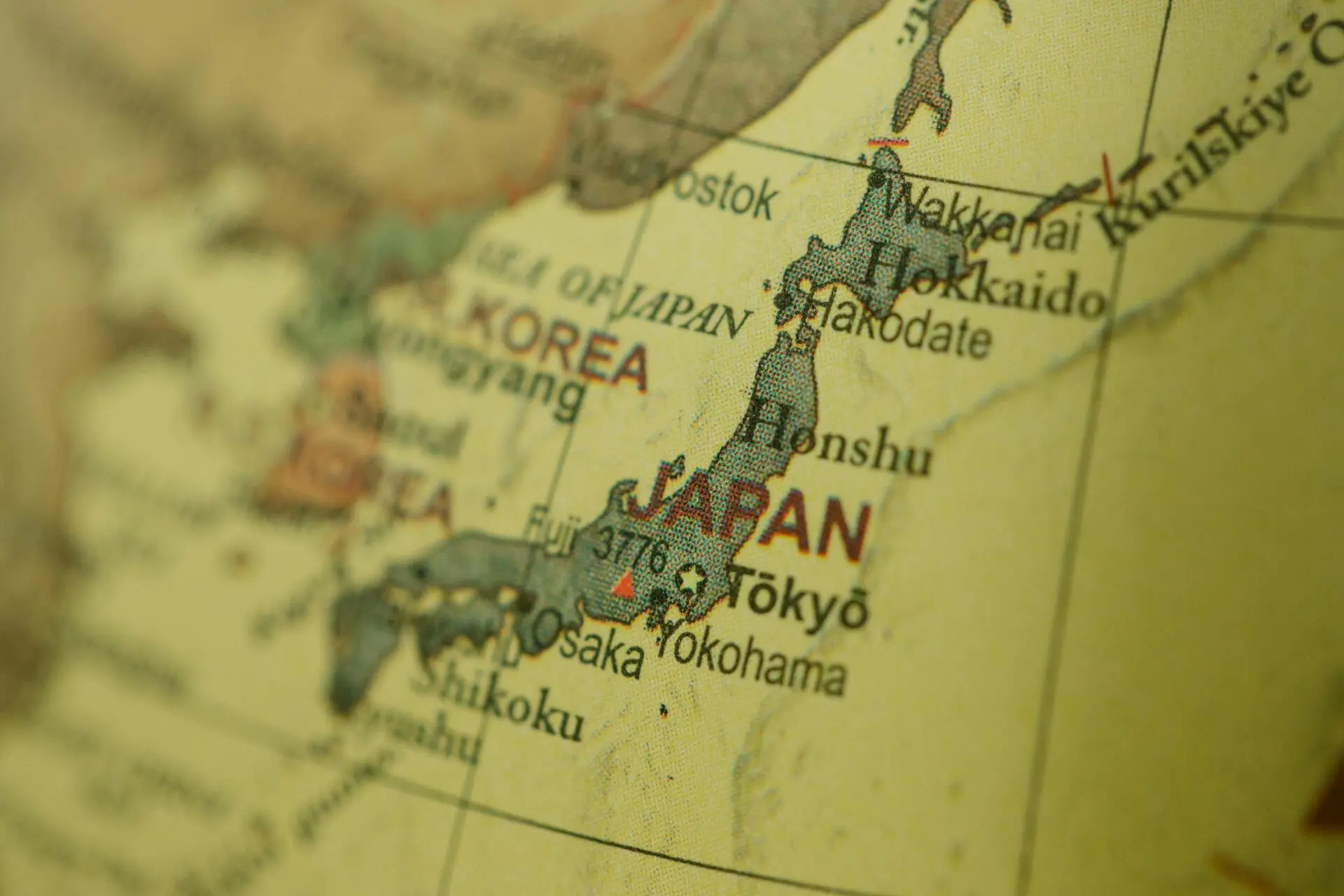
It's important to choose the right time to travel to Japan if you want to get the most out of your experience. The climate is continental, with very distinct seasons.
The best time to visit Japan is still spring (April, May, early June). The temperatures are pleasant (up to 20°C in Tokyo), there is little rain, and above all, you can experience the cherry blossoms in April, a sight that I highly recommend you see (really).
Fall (September-October) is also an ideal season. The climate is milder and drier, and the landscapes are stunning thanks to the red maple trees that color the countryside.
On the other hand, I would advise against visiting in the summer (July-August). It is very hot, the humidity is stifling, and on top of that, it is the rainy season. Not ideal for enjoying your stay.
Winter (January-February) is not the best option either, as the cold is dry and can limit your travel options. Unless, of course, your goal is to go skiing in Hokkaido or the Japanese Alps.
The ideal length of a trip to Japan depends on several factors: your budget, the season you choose, the regions you want to visit, and of course what interests you most (culture, nature, big cities, etc.).
1 week: It's doable, but it's still short. You'll mainly be able to enjoy Tokyo and its iconic neighborhoods, with perhaps one or two nearby excursions to places like Kamakura or Odaiba.
Two weeks: is really the minimum recommended. You'll have time to discover Tokyo, Kyoto, Nara, and immerse yourself in Japanese culture. Between the temples, the cuisine, and walks through the more authentic neighborhoods, you'll begin to get a complete picture of the country.
3 weeks: This is ideal if you want to explore Japan in depth. You can combine big cities, traditional villages, nature excursions, and even venture to Hiroshima, Osaka, or Hokkaido.
And if you want a real turnkey itinerary, we have prepared an exclusive 14-day tour of Japan for you:
It's difficult to give a single budget for a trip to Japan: it all depends on the length of your stay, the regions you want to visit, your travel style (more economical or comfortable), and of course your overall budget.
On average, we can estimate:
For example, for a two-week budget in Japan, I spent €1,170 there (not including the flight).
It is important to bear in mind that Japan is not a low-cost destination. Airfare, accommodation, transportation (especially the Shinkansen), and certain activities can quickly add up.
That said, you can adjust your budget according to your choices:
To travel to Japan, the essential document is your passport. It must be valid for the entire duration of your stay.
If your trip is less than 90 days (tourism, business, family visit), no visa is required for French nationals and nationals of many European countries.
⚠️ Warning: if your passport is not up to date, remember to renew it in advance, as processing times can be long.
When traveling in Japan, having a reliable internet connection is essential, whether you want to use Google Maps, translate a menu with Google Lens, book a train, or simply stay in touch.
The simplest and most practical solution is to get an eSIM before you leave.
You install it on your phone, top it up with data credit, and as soon as you arrive, you turn off airplane mode... and you're connected. No need to search for public Wi-Fi or buy a physical SIM card locally.
We have developed our own eSIM designed specifically for your trip to Japan:
Unbeatable price: 20 GB for only $14.80
Reliability tested on site
No blocked applications
Connection sharing included
French-speaking customer service
Money-back guarantee
And if you want to learn more, feel free to check out our full article on the best eSIM for Japan. You'll find a detailed comparison and all the information you need to understand how it works.
The answer is yes, you need an adapter if you are traveling to Japan. Japanese outlets are different from the ones we use in France: they are type A (or sometimes type B).
The voltage is 100V, the same as in the United States. Most recent chargers (for phones, laptops, cameras) are compatible with this voltage, but you need to have the right adapter to plug in your devices.
If you don't have one, don't panic, you can always buy one before you leave for France (online or at a travel store) or directly on site, in electronics stores and in Japanese airports.
If you want a 100% traditional experience, the ryokan is for you. These Japanese inns have sometimes been around for centuries and offer tatami mats, futons, traditional meals, and even access to onsen (hot springs). It's a great option if you want to immerse yourself in the Japanese way of life.
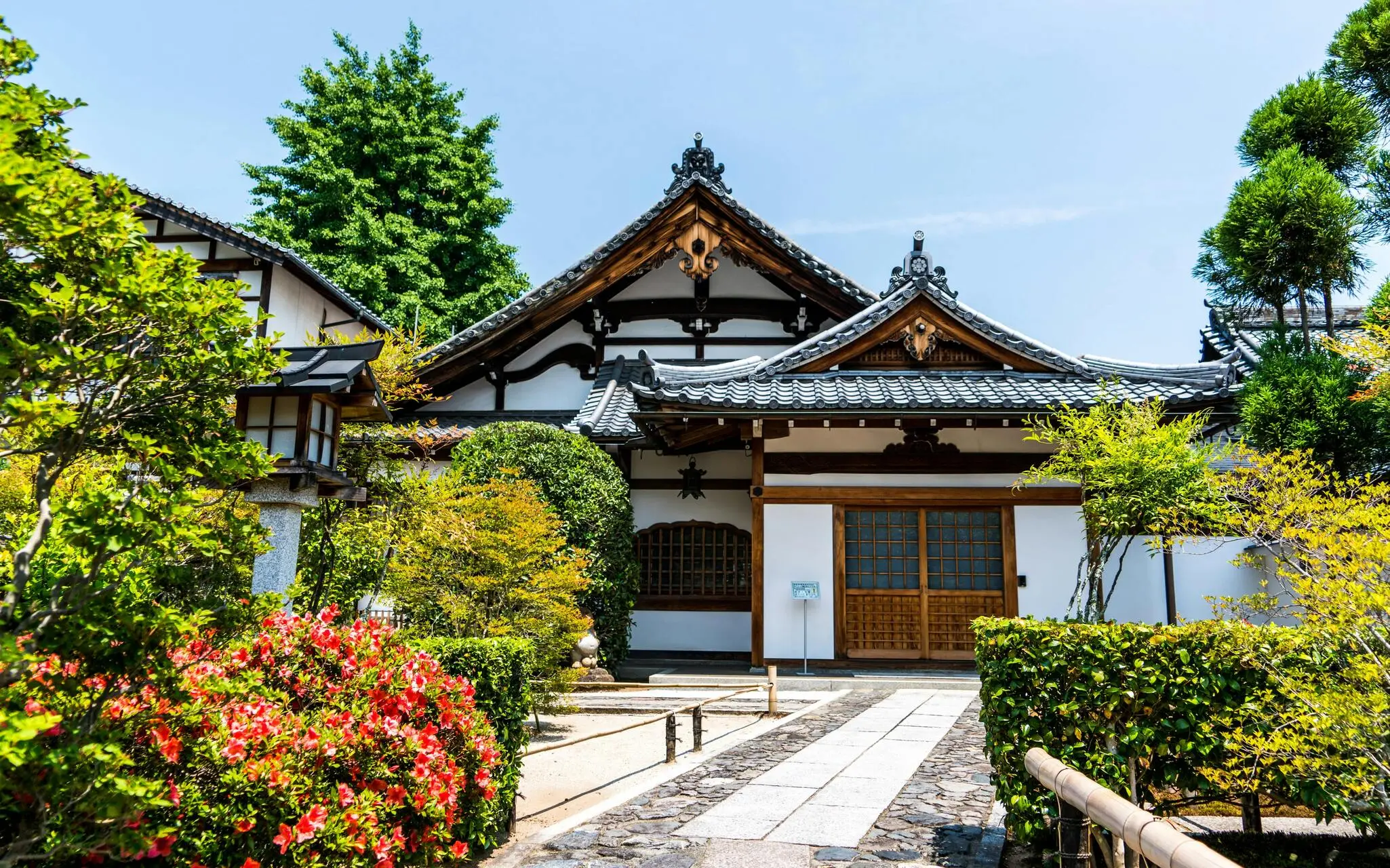
Simpler and more affordable than ryokan, minshuku are similar to family-run bed and breakfasts. You sleep in a friendly setting with an authentic and warm atmosphere, often in a traditional house.
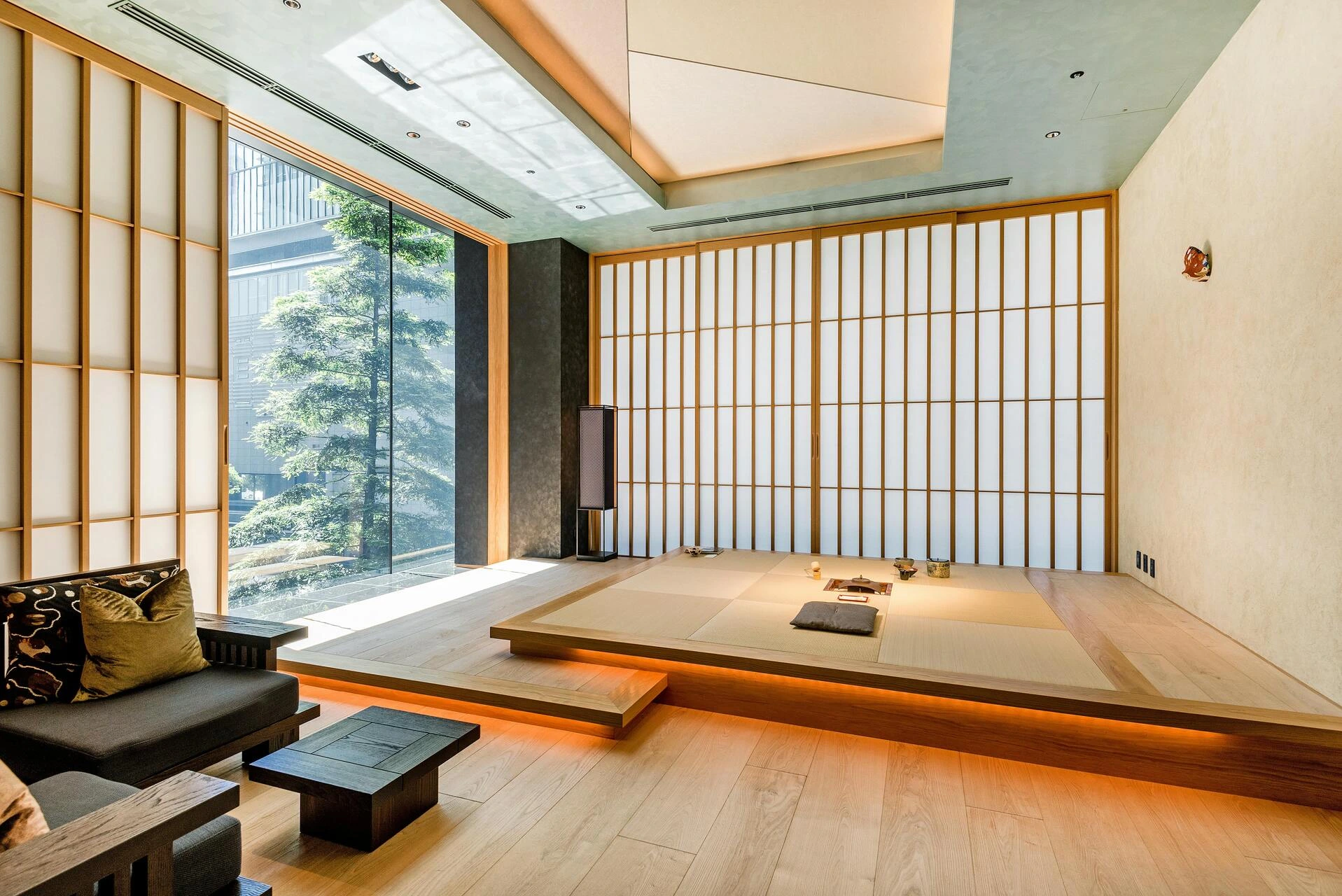
For a unique experience, you can spend the night in a Buddhist temple. Shukubo allow you to share in the daily life of monks: vegetarian meals, morning prayers, and a Zen atmosphere. It's a truly unique cultural immersion.
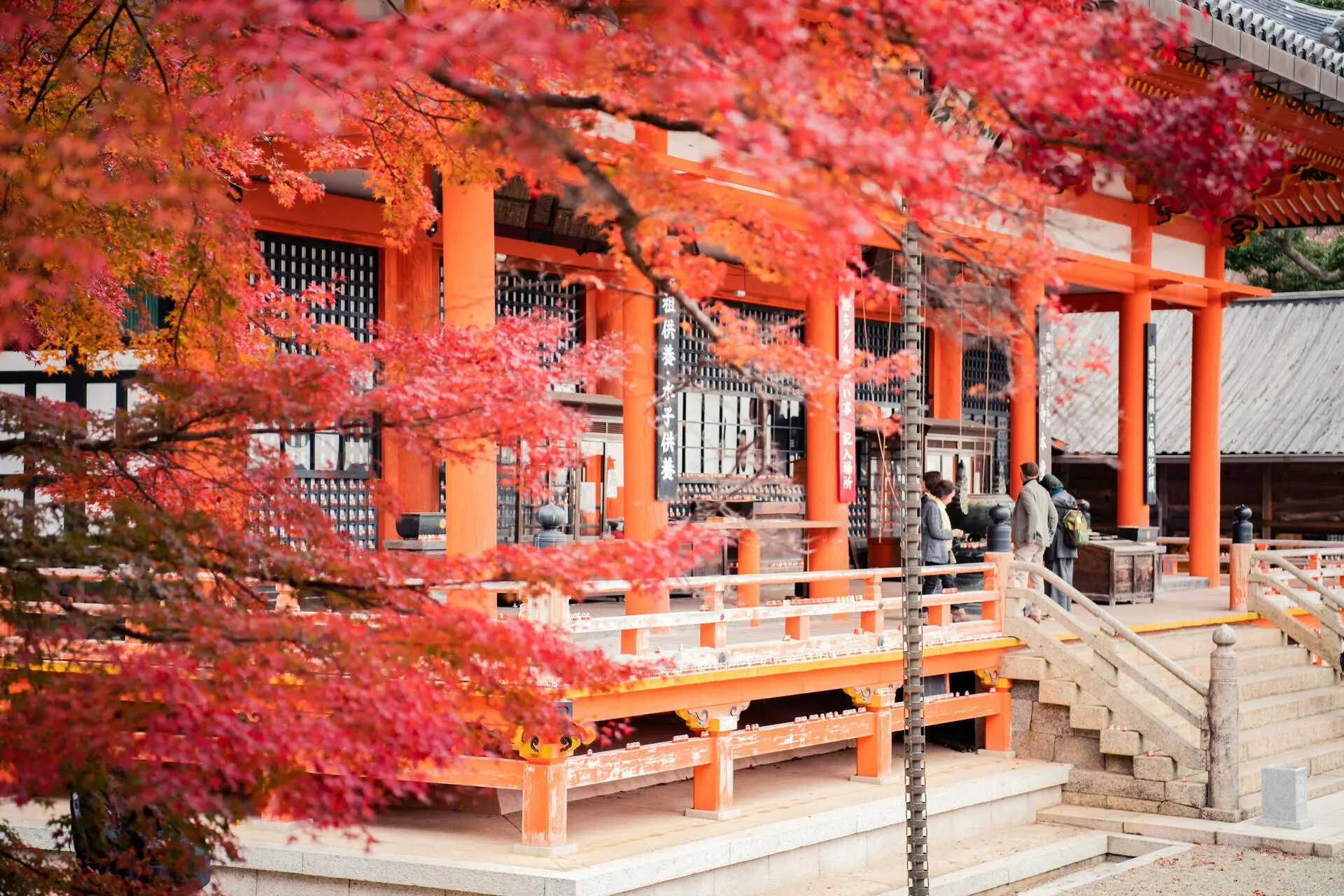
Typically Japanese, capsule hotels offer small individual sleeping pods. Cheap and convenient, they are perfect if you are traveling alone or for short stays. Some are mixed, others are separated between men and women.

Found in all major cities, youth hostels are the most economical option. They are ideal for backpackers and for meeting other travelers.
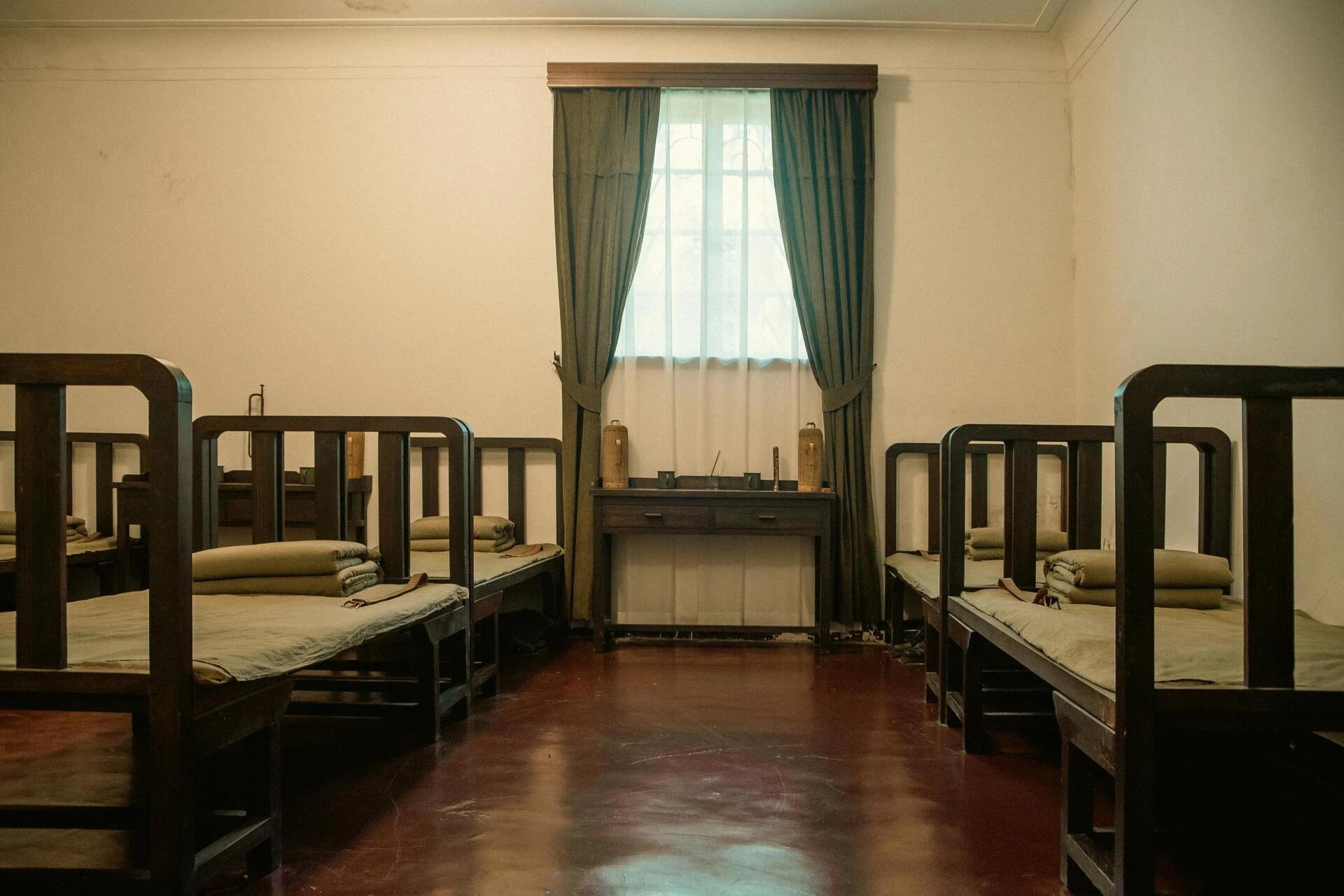
If you are traveling with a group, family, or friends, renting an apartment or house is an excellent alternative. More space, more freedom, and often more economical for groups.

In Tokyo, your choice of neighborhood can really transform your travel experience. If you want to be in the heart of the capital and enjoy an ideal location, Nihombashi is a good place to stay, even if prices are a little higher there.
You can also stay in Tsukiji, near the old fish market, which has a pleasant atmosphere even though it's slightly out of the way. Personally, I particularly recommend Ikebukuro and its surroundings: it's a lively and convenient neighborhood, but right next door there are very quiet residential areas, perfect for relaxing after a day of sightseeing.
However, I would advise against staying in Shinjuku, Shibuya, or Akihabara. These neighborhoods are certainly iconic, but they are also very noisy and crowded, which can quickly make the experience exhausting.
In Japan, there's one thing you need to know: cash is king. You'll find that in many places (small restaurants, temples, some forms of transport) you can only pay with cash. So, it's best to have some cash on you as soon as you arrive, just to be on the safe side.
What I recommend is that you withdraw or exchange your money directly at the airport. That's where you'll get the best rates and often lower fees than in town. Personally, that's what I do every time, and it saves you from having to struggle during the first few days.
To top it off, consider getting a card like Revolut. It allows you to pay and withdraw money easily, with good exchange rates and no hidden fees. It's super convenient when you're traveling.
💡 Tip: Take around $200 in cash with you and exchange it when you arrive.
To travel to Japan, no vaccinations are required for travelers coming from Europe, North America, or most Asian countries.
The only exception is for yellow fever: a vaccination certificate is required only for travelers coming from countries where the disease is present (certain countries in sub-Saharan Africa and Latin America).
Even though nothing is mandatory, it is recommended to be up to date with your universal vaccinations:
No, it is not mandatory to enter Japan. However, it is strongly recommended by both the French and Japanese authorities.
Why? Because in the event of a health problem, accident, or hospitalization while traveling, medical expenses can be very high. Without travel insurance, you will have to pay for everything out of your own pocket.
Taking out travel insurance allows you to travel with peace of mind, with coverage in case of:
Upon arrival in Japan, you must submit a customs declaration form for your personal effects and unaccompanied baggage, which you will find either: on board the plane or ship, in the airport inspection area, or directly online before your trip.
As in many countries, certain customs exemptions apply, with specific limits on what you can import without paying tax. So be sure to check before you go!
Japan's transportation network is extremely efficient, but it can seem complicated at first glance. Here's what you need to know:
To easily use the subway and local trains, get a SUICA or PASMO card:
Once you have loaded credit onto your card, simply tap your phone or card on the gates to travel.
Forget the JR Pass: it's often too expensive and not worth it.
Instead, buy your tickets directly at the station → at the counter rather than from the machines, as you will need two tickets (journey + fees/taxes).
No need to book far in advance: there is a shinkansen every 10 minutes.
The bus is a practical and economical alternative to the shinkansen, especially for long distances. Night buses even allow you to travel comfortably while saving on a night's hotel accommodation.
Google Maps is your best ally in Japan: it shows you which lines to take, timetables, and the fastest route, whether by subway, bus, or train.
Japan is a country where respect for others and for places is of paramount importance. To avoid faux pas and travel with peace of mind, here are the main rules of etiquette to keep in mind:
Taking off your shoes at the entrance: In most Japanese homes, you are expected to remove your shoes before entering.
Temples and shrines: Japan blends Shintoism and Buddhism. The rules are flexible, but respect is essential. In some temples, you will also need to remove your shoes.
Very few trash cans in public spaces: it is common to keep your trash with you and throw it away later.
konbini (24-hour convenience stores) are one of the few places where you can easily find trash cans.
Japanese culture can be discovered through its cuisine as well as its traditions, unique experiences, and lively neighborhoods. Here are a few must-sees to truly immerse yourself in the local atmosphere:
In Japan, you shouldn't rely on European standards: a restaurant rated 3.9 or 4 stars on Google is already excellent. Japanese people are demanding, so even a rating that would seem average in France is a real guarantee of quality here.
👉 Result: it's hard to find a bad restaurant in Japan.
To eat cheaply, expect to pay around ¥500 (€3) at some chain restaurants.
Saizeriya: not incredible, but extremely economical.
Coco Ichiban: specializes in curry, a beloved classic. ⚠️ Be careful with the spice level: at 4, it becomes very spicy.
Attending a baseball game is a quintessentially Japanese experience. The most memorable experience is a game of the Tokyo Giants at the Tokyo Dome, where the atmosphere is guaranteed. The Marines also put on a good show, but the Tokyo Giants are more impressive.
Yokohama: Just 30 minutes from Tokyo, this city is worth a visit, especially in the evening (4pm-10pm). Seaside, festive atmosphere, sometimes fireworks and amusement park → perfect for a half-day excursion.
Akasai: A unique experience with a bar boat on the river. Enjoy a drink at sunset while taking in the view of Tokyo → unique and typical.
Shimokitazawa: a neighborhood known for its thrift stores and ultra-cool vintage vibe.
4 Streets: Iconic street in a luxury neighborhood (outside Ginza), easily found on Google Maps.
Goshuin: beautiful calligraphy created in temples, to be pasted into a dedicated notebook. For around ¥500, you can take home a unique work of art and an authentic souvenir of your visit.
As you can see, planning a trip to Japan takes time and careful organization. Between the seasons, budget, transportation, accommodation, and local customs, there is a lot of information to take in.
👉 That's exactly why we created voilà: an app designed to simplify your trip and give you access to reliable resources that have been tested and approved by experienced travelers.
With this, you will find:

SOUTH KOREA
active
20 Go
remaining
Operator
SKTelecom, LGU+
Expires
In 3d • Jun 12
Top up

THAILAND
active
20 Go
remaining
Operator
AIS
Expires
In 3d • Jun 12
Top up

JAPAN
active
20 Go
remaining
Operator
NTT docomo
Expires
In 3d • Jun 12
Top up
Travel abroad with confidence: no more roaming fees, connection struggles, or unexpected top-ups. With a travel-friendly eSIM, stay connected everywhere, stress-free and surprise-free.

Rony is our in-house travel-connected expert. Always curious and never too far from an airport, he explores the latest destinations while testing the newest eSIM solutions. He signs our articles on travel and mobile technology, with a single mission: to turn his discoveries into clear, reliable, and smart advice to accompany you anywhere in the world.
February 1, 2026
4 min
Honest comparison of the best eSIMs for traveling in Japan: Voilà vs. Airalo, Holafly, Ubigi, Saily. Price, reliability, blocked apps... it's all here!
January 11, 2026
7 min
How to access the internet in Japan? All the solutions to stay connected during your trip (eSIM, free Wi-Fi, Pocket Wi-Fi, etc.)
January 14, 2026
11 min
Discover the 20 must-see places to visit for a memorable trip to Japan in 2026: from Tokyo to Okinawa, via Kyoto and Mount Fuji.