January 21, 2026
4 min
Best eSIM for South Korea 2026: 6 Providers Compared
Are you looking for the best eSIM for traveling to South Korea in 2026? Read our comparison and at the end you'll finally find the eSIM you need!

Are you planning a trip to South Korea? 🇰🇷
Let me guess: you're not quite sure where to start, right?
👉 When to go, how long to stay, how much to budget...
👉 How to get internet access, where to stay, what to visit in Seoul or Busan...
In short, organizing a trip to South Korea can quickly become a real headache (especially when you discover that everything is written in Hangul 😅).
But don't worry: here, you'll find a comprehensive guidethat's simple and practical to help you plan everything without stress.
And above all, stay tuned until the end 👀: I'm going to share my tried and tested tips, tips you won't find anywhere else, tips that will save you hassle, save you time, and help you make the most of your stay.
Ready? Let's go 🇰🇷
Rony
October 17, 2025
15 min read
Choosing the right time to visit South Korea is essential if you want to really enjoy your trip. The climate is continental, with four distinct seasons: cold, dry winters; hot, humid summers; and two often beautiful intermediate seasons.
Spring (April to early June) is undoubtedly the best time to discover the country. Temperatures are mild (around 68°F in Seoul), nature comes back to life, and above all... it's cherry blossom season. If you want to experience a magical moment, don't miss it—the parks of Seoul, Jinhae, and Gyeongju are sublime at this time of year.
Fall (September to late October) is also an excellent choice. The weather is milder and drier, and the scenery is stunning thanks to the red maple trees that color the landscape.
Summer (July-August), on the other hand, is often difficult: it is hot (up to 35 °C), the humidity is stifling, and it is the rainy season. Typhoons can also disrupt your stay, especially on the southern coasts.
Winter (December to February) is very cold, with temperatures sometimes dropping below freezing in Seoul. However, if you enjoy skiing or snowy landscapes, this is a great time to visit the resorts of Pyeongchang or Yongpyong in the east of the country.
The ideal length of a trip to South Korea depends mainly on your budget, the time of year you are traveling, and what you want to experience there: culture, cuisine, nature, or large modern cities.
One week: It's doable, but a little short. You'll mainly be able to discover Seoul, explore its iconic neighborhoods such as Hongdae, Myeongdong, and Insadong, and take one or two trips to nearby places such as Suwon, Incheon, or the DMZ (demilitarized zone).
Two weeks: is the ideal length of time to really immerse yourself in Korean culture. You can combine Seoul, Busan, Gyeongju (the "museum city"), and why not Jeonju, famous for its hanok district and traditional cuisine. You'll have time to try street food, visit markets and temples, and go on a few hikes.
3 weeks or more: perfect for a complete trip. You can travel the country from north to south, discover Jeju Island, the Seoraksan Mountains, historic villages listed by UNESCO, and enjoy truly relaxing breaks in jjimjilbangs (Korean saunas).
And if you want a real turnkey itinerary, we have prepared an exclusive 14-day tour of South Korea for you:
👉 Discover our complete guide to South Korea
It's difficult to give a single budget for a trip to South Korea, as it all depends on the length of your stay, your travel style (whether you prefer comfort or economy), and the cities you want to visit.
But to give you a clear idea, here are the average ranges: 👇
Here are a few pointers based on my experience:
The most expensive items will be flights (often between $700 and $900 round trip from France) and accommodation in Seoul.
On the other hand, food is very affordable: you can eat very well for 6 to 10€ per meal in small local restaurants.
Good news: traveling in South Korea is easy.
For French nationals (and most European countries), no visa is required for stays of less than 90 days for tourism, business, or family visits.
The only essential document is your passport, which must be valid for the entire duration of your stay.
⚠️ If you are planning to travel soon, check the expiration date carefully: renewal times can be long, especially during the summer.
Recently, the country has also started requiring travelers to fill out an online electronic authorization form called the Korea Electronic Travel Authorization (K-ETA). It takes just a few minutes to complete on the official website, costs around $8 to $10, and remains valid for two years.
Having a good Internet connection in South Korea is essential, especially if you want to navigate Seoul without getting lost, translate a menu, book a KTX, or simply stay connected with your loved ones.
The most practical solution is to get an eSIM before you leave.
You activate it in just a few clicks on your phone, top up your data plan, and as soon as you arrive, you turn off airplane mode... and you're connected.
No need to search for public Wi-Fi or struggle to buy a local SIM card in a store.
In addition, network coverage in South Korea is excellent: even in the mountains or small villages, 4G/5G works without any problems.
We have developed our own eSIM designed specifically for your trip to South Korea:
Unbeatable price: 20 GB for only $19.80
Reliability tested on site: no network issues in South Korea
No blocked apps: TikTok, WhatsApp, banking apps... everything works.
Connection sharing included: convenient for your computer or tablet
Responsive French-speaking customer service: no more automated responses in English
Money-back guarantee in case of problems
And if you want to learn more, feel free to check out our full article on the best eSIM for South Korea. You'll find a detailed comparison and all the information you need to understand how it works.
Good news: no, you don't need an adapter if you're coming from France!
In South Korea, outlets are type C and F, exactly the same as ours.
So you can plug in your charger, computer, or hair dryer without any worries.
The voltage is 220 V and the frequency is 60 Hz (compared to 50 Hz in France). In short: all recent devices (smartphones, computers, razors, etc.) are fully compatible.
💡 A little personal advice: be sure to bring a compact power strip or a multi-USB charger, as hotel rooms don't always have many outlets available. And if you're traveling with two or three people, it's always handy to be able to charge everything at the same time.
Choosing the right accommodation is essential to enjoying your trip to South Korea.
The country offers a wide variety of accommodations, ranging from traditional to very modern.
Here is an overview of the main options, with their advantages and my personal recommendations 👇
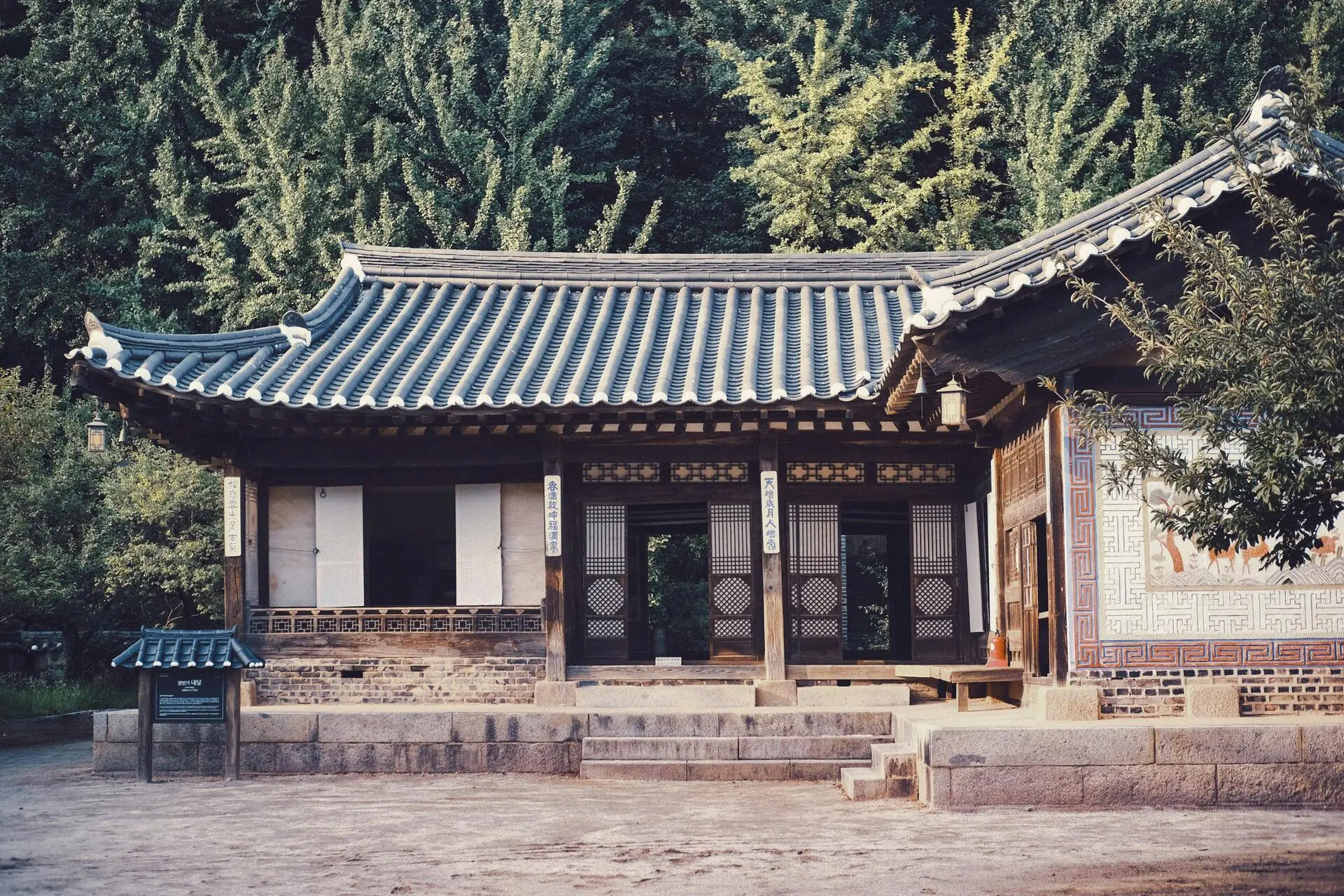
If you want to have a 100% Korean experience, stay in a hanok.
These typical wooden houses, with curved roofs and heated floors (the famous ondol), offer a peaceful and authentic atmosphere.
People often sleep on mattresses laid out on the floor, but it's still comfortable.
You'll find some great ones in Jeonju, Gyeongju, or in certain neighborhoods of Seoul such as Bukchon Hanok Village.
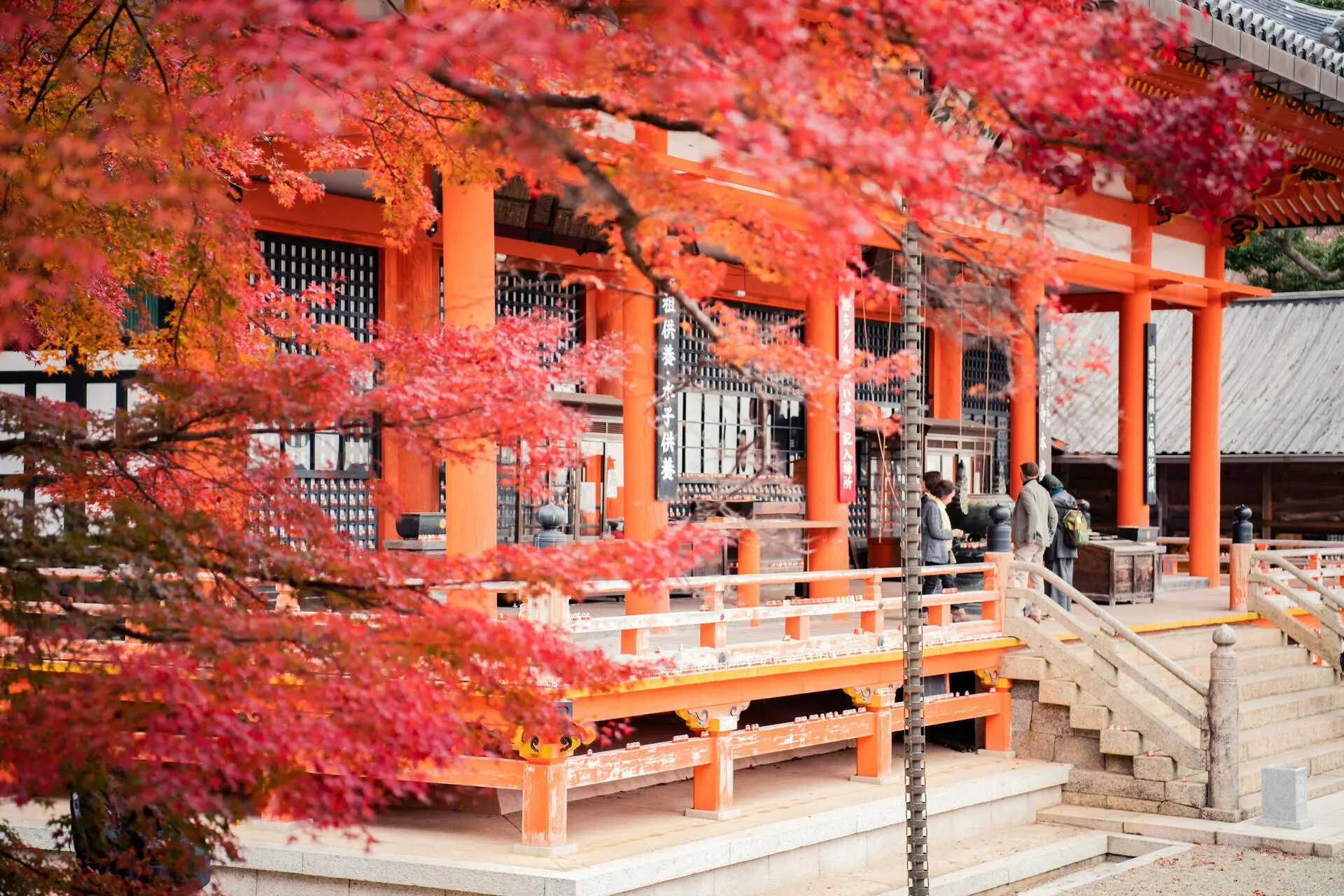
Want a unique spiritual experience?
Spend a night in a Buddhist temple.
The program often includes vegetarian meals, meditation, early morning wake-up, and prayers with the monks.
It's calm, soothing, and it gives you a better understanding of the local culture.
I recommend Golgulsa near Gyeongju or Bongeunsa in Seoul.
You will find a wide selection of hotels in Seoul, Busan, or Incheon, ranging from 2 stars to 5 stars.
Comfort is often excellent, even in affordable establishments.
Korean hotels are renowned for their impeccable cleanliness and technology (automatic toilets, home automation, etc.).

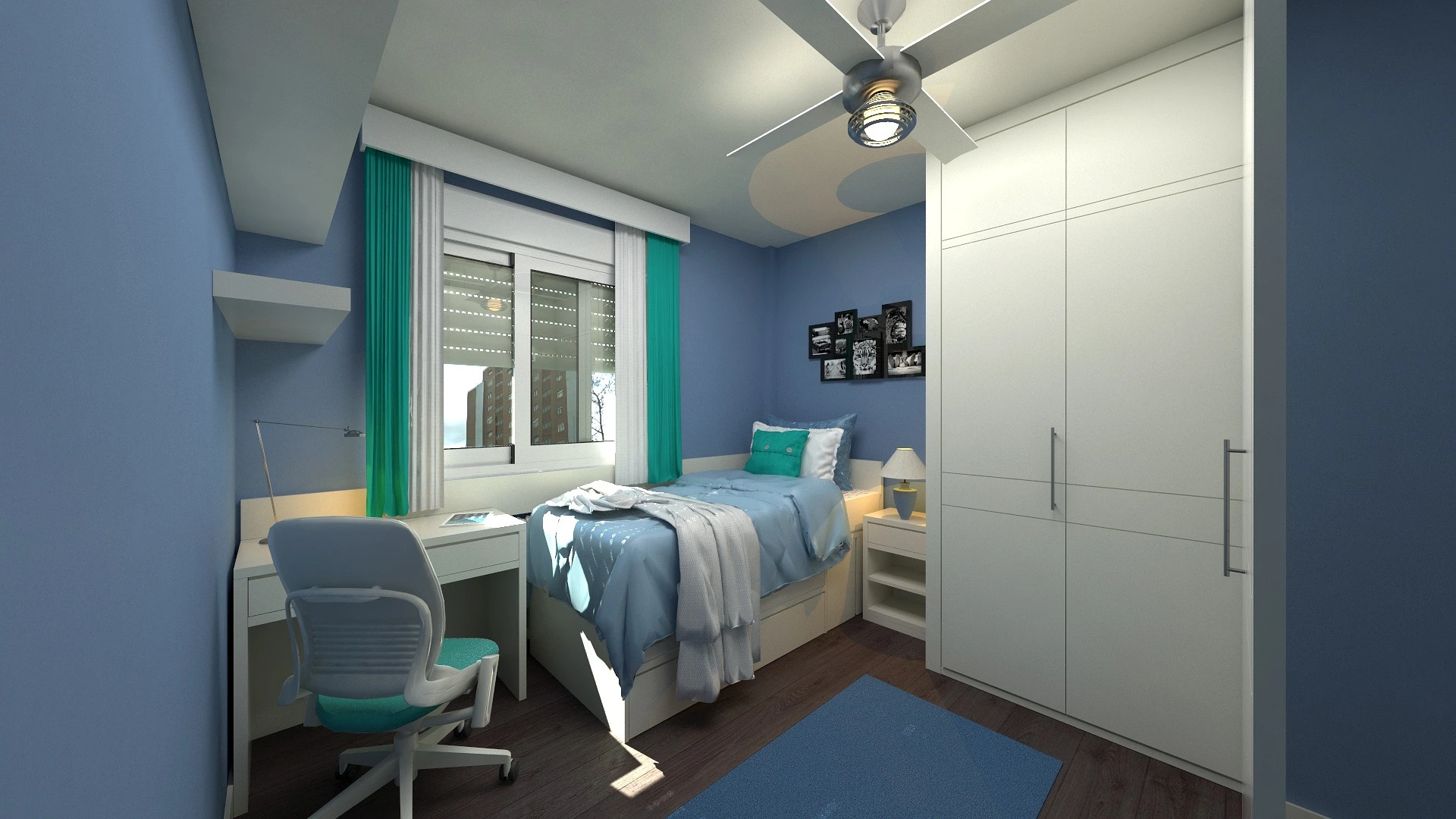
This is the most user-friendly and economical option.
Korean guesthouses are similar to our bed and breakfasts, often run by local families.
Youth hostelsare perfect for backpackers: you can find them in all major city centers, sometimes even in designer or themed buildings.
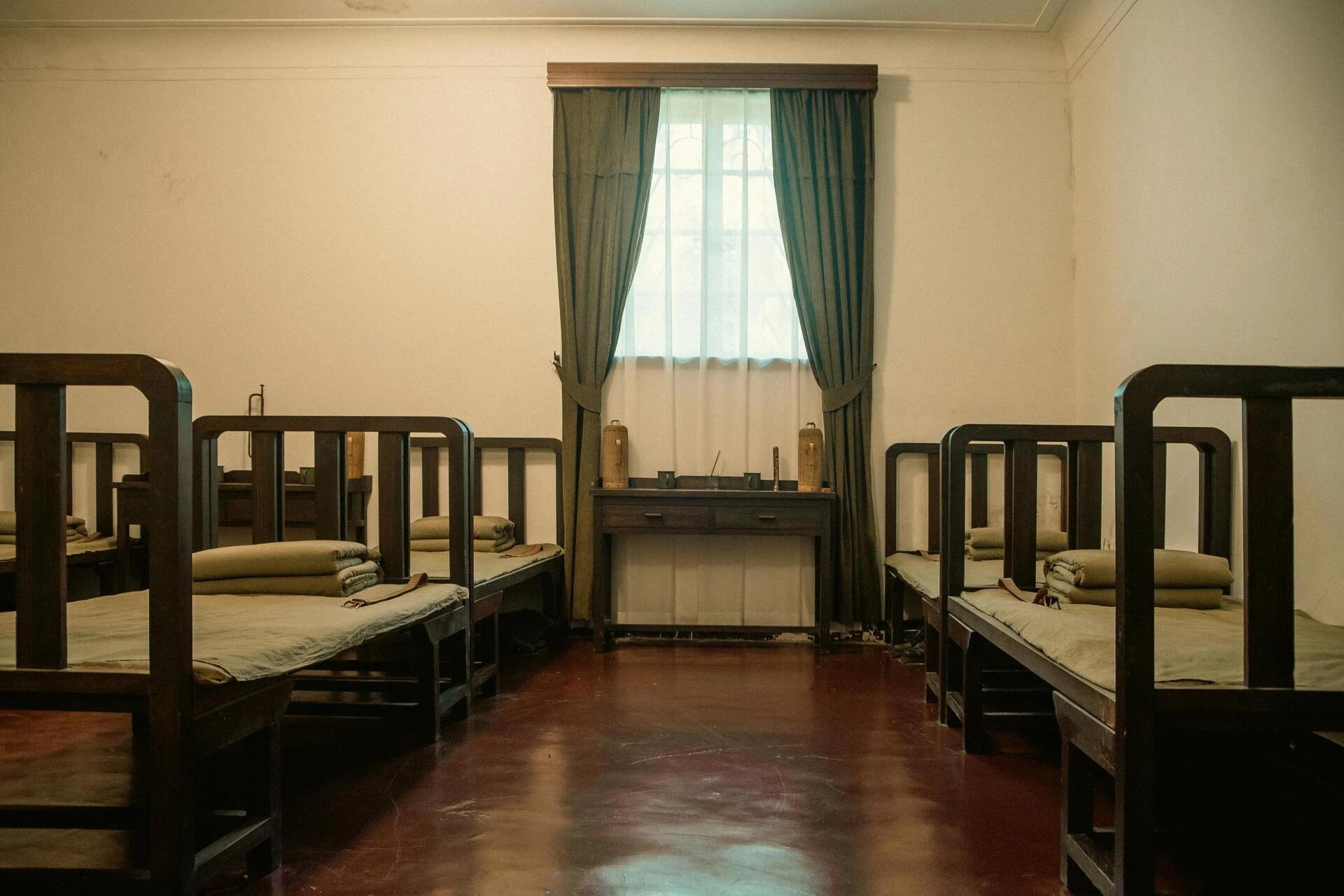
Less well known to tourists, goshiwon are small rooms rented by the night or by the month.
It's very basic (bed, desk, shared bathroom), but it's very cheap and often well located, especially in Seoul.
If you're traveling alone and want to reduce your accommodation budget, this could be an option.
It all depends on your travel style 👇
Hongdae: perfect if you want a young, creative, and festive atmosphere.
Myeongdong: ideal for shopping and proximity to major tourist attractions.
Insadong / Jongno: a more cultural and traditional atmosphere.
Gangnam: modern, chic, and very well connected (but more expensive).
💡 My personal advice: avoid Itaewon if you're looking for peace and quiet, as it's a very lively neighborhood at night.
The first thing to know is that South Korea is a highly connected country, but it is not yet 100% cashless.
You can pay by card in most restaurants, cafes, hotels, and stores, but some small shops, markets, and street food stalls only accept cash.
I recommend that you withdraw money as soon as you arrive at the airport (Seoul-Incheon or Gimpo).
The rates are good, and ATMs accept most international cards (Visa, Mastercard, Revolut, etc.).
Please note: some local ATMs do not accept foreign cards. Always look for the words "Global ATM" or "Foreign Card Accepted." You will easily find these in convenience stores (CU, GS25, 7-Eleven).
If you prefer to exchange cash, the currency exchange offices in Myeongdong, Seoul, are known for offering the best rates.
Visa, Mastercard, and Revolut cards are accepted almost everywhere, especially in large cities. You can also use Apple Pay (recently rolled out) and Samsung Pay. However, American Express is still not widely accepted.
💡 My advice: activate international payments before you leave, and always carry some cash with you (the equivalent of $100 to $150).
Good news: no vaccinations are required to travel to South Korea. 🇰🇷
If you are coming from Europe, North America, or most Asian countries, you can enter freely without any special health requirements.
The only exception is for yellow fever: a vaccination certificate is only required if you are arriving from a country where the disease is present (mainly in Africa and South America).
Even though nothing is mandatory, it is strongly recommended that you keep up to date with your basic vaccinations:
For longer stays or if you are traveling to rural areas, your doctor may also recommend:
And of course, as always: drink bottled water, avoid raw foods sold on the street (unless they are cooked thoroughly in front of you), and bring a small first aid kit (paracetamol, bandages, mosquito repellent, etc.).South Korea has a modern and efficient healthcare system, so there is no need to worry if you encounter any issues while there.
It is not mandatory to enter South Korea, but honestly... it is highly recommended.
Why? Because the Korean healthcare system, although very efficient, can be expensive for foreigners. A simple consultation can cost between 30 and 60 €, and hospitalization can cost several hundred euros per day.
Taking out travel insurance allows you to travel with peace of mind. In case of any issues, you will be covered for:
My personal advice: check whether your credit card (Gold, Premier, etc.) already includes travel insurance. Often, you just need to pay for your plane ticket with this card to benefit from full coverage, but be sure to read the terms and conditions carefully before you leave.
If this is not the case, dedicated insurance generally costs between $30 and $60 for two weeks, depending on the package. And believe me, it's a small price to pay to avoid a lot of hassle.
Nothing too complicated, but there are a few things you should know before you leave.
Upon arrival in South Korea, you will need to fill out a customs declaration form for your personal belongings.
You can do it:
Good news: getting around South Korea is simple, fast, and extremely efficient. 🇰🇷
The country has one of the best transportation networks in Asia, which is perfectly organized and punctual.
Whether you're traveling between major cities or exploring the countryside, you'll always find a convenient and reliable way to get around.
The KTX is a bit like the "Korean high-speed train": fast, modern, and comfortable.
It connects the country's major cities (Seoul, Busan, Daejeon, Gwangju, etc.) at speeds of over 300 km/h.
A trip from Seoul to Busan takes just 2.5 hours!
You can purchase your tickets:
No need to book far in advance: there are very frequent departures, every 20 to 30 minutes.
The Korean subways are clean, safe, and impeccably organized. In Seoul, it's a veritable labyrinth (more than 20 lines), but everything is clearly marked in English. The subway serves almost all neighborhoods, even the most remote ones.
Tip: Get yourself a T-money Card, a rechargeable transit card that you can use for the subway, bus, and even taxis. You can find it in convenience stores (CU, GS25, 7-Eleven) or directly at stations.
Express and intercity buses are an excellent alternative to trains. They serve all regions of the country, are comfortable (sometimes with reclining seats and Wi-Fi), and often cost less than the KTX.
Night buses are a good option if you want to save on a night's hotel accommodation while traveling.
Taxis are plentiful, clean, and affordable, especially for short trips. You can hail them on the street or book them through apps such as Kakao T (the Korean equivalent of Uber).
Tip: Most drivers do not speak English, so always show them the address written in Korean (Hangeul).
South Korea is a fascinating country, at the crossroads of modernity and tradition. And even though Koreans are very welcoming to foreigners, knowing a few rules of etiquette will help you avoid any awkward situations.
Respect for hierarchy is central to Korean culture. People greet each other with a slight bow of the head (or upper body), especially when greeting older people. When talking to others, people often speak more softly and avoid sudden movements.
Tip: When giving or receiving something (money, card, gift), do so with both hands, as this is a sign of respect.
Always remove your shoes when entering a house, temple, or even sometimes a traditional restaurant. Indoor slippers are often provided. If you forget, you will be kindly reminded, but it's better to know beforehand. 😅
You will see few trash cans on the streets, which is normal. Koreans often take their trash home or drop it off at convenience stores (CU, 7-Eleven, GS25). Recycling is strictly enforced, so keep up the habit of separating plastic, glass, and food waste.
Korean culture is a clever blend of ancient traditions and fast-paced modernity. Between peaceful temples, K-pop, dramas, street food, and technology, the country has managed to retain its soul while reinventing itself. Here's a glimpse of what makes South Korea so unique 👇
In Korea, eating is almost a way of life. You'll find restaurants on every street corner, and most of them are excellent, even the most modest ones.
Some must-try dishes:
And above all: eat local. Korean cuisine is varied, balanced, and often much cheaper than Western dishes.
South Korea also has a lively and dynamic culture. Between tradition and modernity, here are a few experiences I recommend:
Some ideas for places not to be missed:
Tip: Cultural sites are often closed on Mondays—remember to check before planning your day.
If you like shopping, you're in for a treat 😎
Myeongdong: a paradise for cosmetics and street food.
Hongdae: youthful, creative, and very "K-culture" atmosphere.
Gangnam: luxury, high-tech, and futuristic shopping malls.
Insadong: perfect for bringing back handmade souvenirs and traditional tea.
Even though South Korea is very modern, spiritual traditions remain present. Buddhism and Confucianism still have a major influence on society and respect for family values.
Temples such as Bulguksa (in Gyeongju) or Bongeunsa (in Seoul) offer true havens of peace, far from the hustle and bustle of city life. And if you want to take home a symbolic souvenir, you can buy a small temple amulet (yaksuk), which is supposed to bring good luck or protect you during your trip.
As you can see, planning a trip to South Korea requires a bit of organization. Between the seasons, budget, accommodations, customs, and language, there's a lot of information to remember. But don't worry, we've simplified everything for you.
👉 That's exactly why we created voilà: an app designed for travelers like you, who want to enjoy the country to the fullest without getting lost in the details.
With this, you will find:

SOUTH KOREA
active
20 Go
remaining
Operator
SKTelecom, LGU+
Expires
In 3d • Jun 12
Top up

THAILAND
active
20 Go
remaining
Operator
AIS
Expires
In 3d • Jun 12
Top up

JAPAN
active
20 Go
remaining
Operator
NTT docomo
Expires
In 3d • Jun 12
Top up
Travel abroad with confidence: no more roaming fees, connection struggles, or unexpected top-ups. With a travel-friendly eSIM, stay connected everywhere, stress-free and surprise-free.

Rony is our in-house travel-connected expert. Always curious and never too far from an airport, he explores the latest destinations while testing the newest eSIM solutions. He signs our articles on travel and mobile technology, with a single mission: to turn his discoveries into clear, reliable, and smart advice to accompany you anywhere in the world.
January 21, 2026
4 min
Are you looking for the best eSIM for traveling to South Korea in 2026? Read our comparison and at the end you'll finally find the eSIM you need!
October 27, 2025
7 min
How to access the internet in South Korea? Everything you need to know to prepare for your trip in the best possible conditions!
January 25, 2026
11 min
Are you planning a trip to South Korea and wondering what to do there so you don't miss anything during your stay? From imperial palaces to idyllic beaches and unspoiled nature, discover the 20 most beautiful places to visit!