January 7, 2026
4 min
Best eSIM for Thailand 2026: 5 Providers Tested & Ranked
Are you looking for the best eSIM for traveling to Thailand in 2026? Read our comparison and you'll finally find the eSIM you need!

Are you planning your trip to Thailand? 🇹🇭
So let me guess: you're not quite sure where to start, right?
👉 When to go, how long to stay, how much to budget...
👉 How to get internet access, where to stay, what to visit in Bangkok, Chiang Mai, or on the islands...
In short, organizing a trip to Thailand can quickly become a real headache (especially when you have to juggle between the monsoon season, the Andaman Sea islands, and the Gulf of Thailand 😅).
But don't worry: here you'll find a comprehensive guidethat's simple and practical, to help you plan everything without stress.
And above all, stay tuned until the end 👀: I'm going to share with you my tips tested directly on site, tips you won't find anywhere else, ones that will save you hassle, save you time, and help you get the most out of your stay.
Ready? Let's go 🇹🇭
Rony
2025-10-25
15 min read
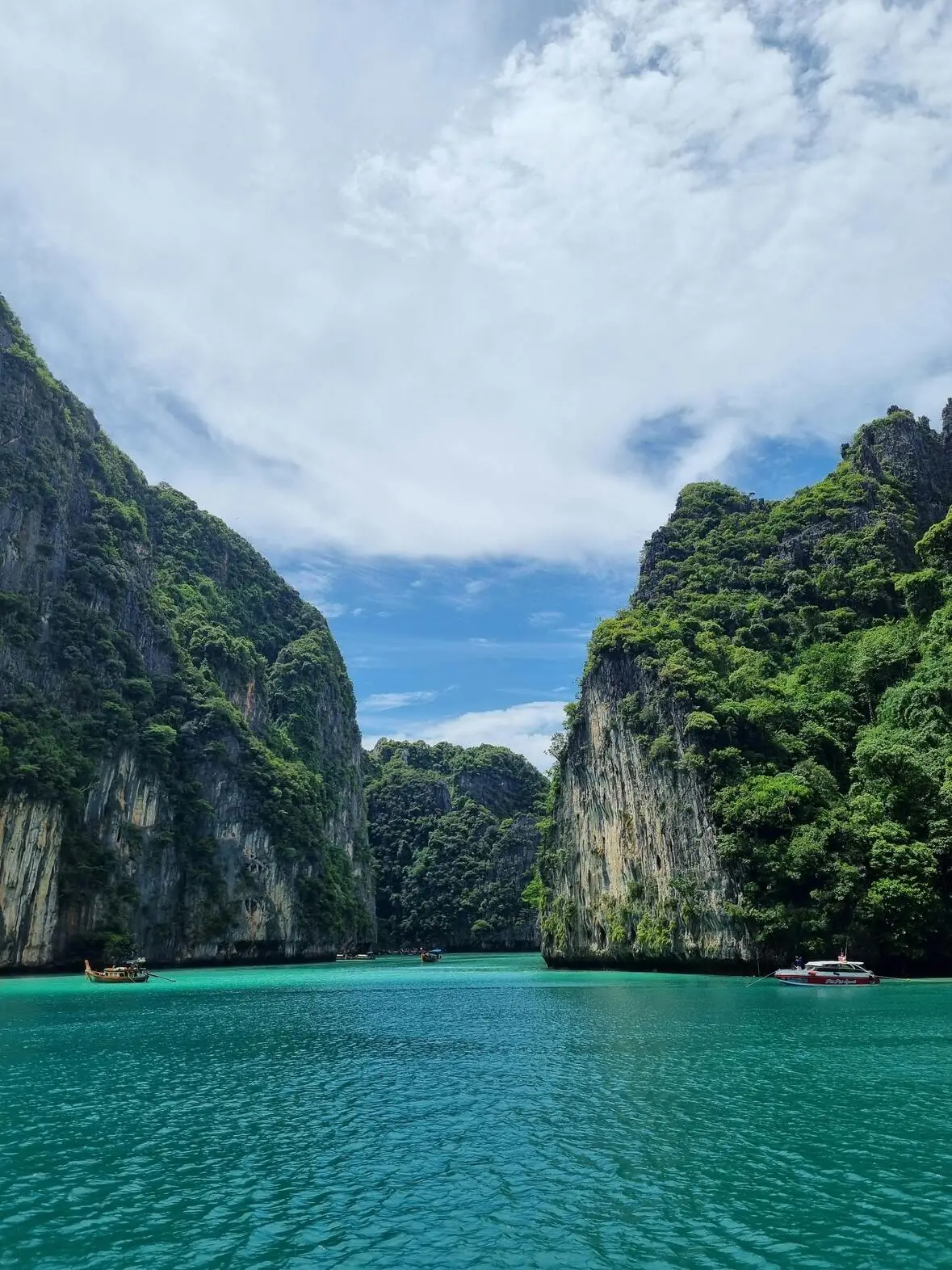
Choosing the right time of year is key if you want to enjoy the beaches and temples without suffering from the weather. The climate is tropical, with three main seasons that vary depending on the region.
Cool and dry season (November to February): The best time for most travelers: milder temperatures, often clear skies, calm seas. Ideal for Bangkok, the north (Chiang Mai/Chiang Rai), and the Andaman coast (Phuket, Krabi, Koh Lanta).
Hot season (March to May): It is very hot, Bangkok can be stifling, but it's great for the islands if you can handle the heat. Plan for breaks in the shade and morning visits.
Rainy season (roughly May/June to October): Frequent showers (often at the end of the day) but travel is still possible. Be aware of the differences:
💡 My advice: if you're aiming for Koh Samui/Koh Phangan, summer can be a good option. For Phuket/Krabi, November-March is best.
The ideal length of your stay depends on your budget, the season, and what you want to experience (culture, nature, beaches, food tours, etc.).
1 week: doable but tight. Focus on Bangkok (temples, markets, rooftops) + a quick getaway: Ayutthaya (UNESCO) or 2-3 days on an island (Phuket/Krabi or Samui depending on the season).
2 weeks: the ideal length of time. Combine Bangkok → North (Chiang Mai/Chiang Rai) for culture, temples, and cuisine, then a few days on the islands to finish in style (Koh Lanta/Krabi or Samui/Koh Tao depending on the weather).
3 weeks or more: complete itinerary. Add national parks (Khao Sok), wilder islands (Koh Yao, Koh Libong, Koh Phayam), villages and rice fields around Pai, and why not a wellness break (massages, cooking classes, yoga retreat).
It's difficult to give a single figure: it all depends on the season, your internal journeys, and your travel style. But here are some clear guidelines 👇
Practical information:
The most expensive items will be flights (often €600-900 return from France, more in peak season) and the most touristy islands. As for food, street food is delicious and very affordable: €2-6 for a local meal, €8-15 in a good restaurant.
Good news: for French travelers (and most European nationals), no visa is required for tourist stays of less than 30 days.
👉 You just need to have:
💡 If you wish to stay longer than 30 days, you can either request a 30-day extension directly at an immigration office, or apply for a tourist visa (60 days, extendable once) before your departure.
⚠️ Always check the latest conditions before your trip: rules may change (especially after the high season).
It's impossible to imagine a trip to Thailand without the internet—between Google Maps, Grab (the local Uber), hotel reservations, and translating menus, you'll need it every day 📱
💡 The simplest and most convenient solution is the eSIM. Install it before you leave, activate your data plan as soon as you arrive at the airport, and in 30 seconds... you're connected.
👉 Advantages:
In Thailand, the network is reliable and fast, particularly with operators AIS, DTAC, and TrueMove.
We have developed our own eSIM designed specifically for your trip to Thailand:
Unbeatable price: 20 GB for only $14.80
Reliability tested on site: no network issues in Thailand
No blocked apps: TikTok, WhatsApp, banking apps... everything works.
Connection sharing included: convenient for your computer or tablet
Responsive French-speaking customer service: no more automated responses in English
Money-back guarantee in case of problems
Good news: you don't necessarily need an adapter if you're coming from France 🇫🇷 In Thailand, the outlets are type A, B, and C. 👉 European two-pin plugs (type C) fit into most outlets without any problems.
⚡ The voltage is 220 V and the frequency is 50 Hz, so it is fully compatible with our European appliances.
💡 Personal tip: bring a compact power strip or multi-USB charger, as hotel rooms often only have one or two wall outlets. And if you plan to travel to rural areas or remote islands, a small power bank can save the day.
The choice of accommodation in Thailand is vast — from beachfront bungalows to designer hotels in the heart of Bangkok.
Here's an overview to help you choose according to your style 👇
Found everywhere (Bangkok, Chiang Mai, Phuket, etc.), they offer excellent value for money.
Even the 3★ are often very clean, comfortable, and well located.
Some offer rooftops or swimming pools with breathtaking views for less than $42.50 per night.

It's the perfect option for enjoying the beaches 🏝️
The bungalows are often simple but charming, located by the sea, and available on almost all islands (Koh Lanta, Koh Tao, Koh Samui, Koh Phangan…).
💡 My advice: book in advance for December-February, as it's peak season.
Perfect for those on a tighter budget or backpackers.
You can find them everywhere, often with a family atmosphere, friendly staff, and homemade breakfasts.
Some hostels are real little gems of design for $50-10-15 per night.
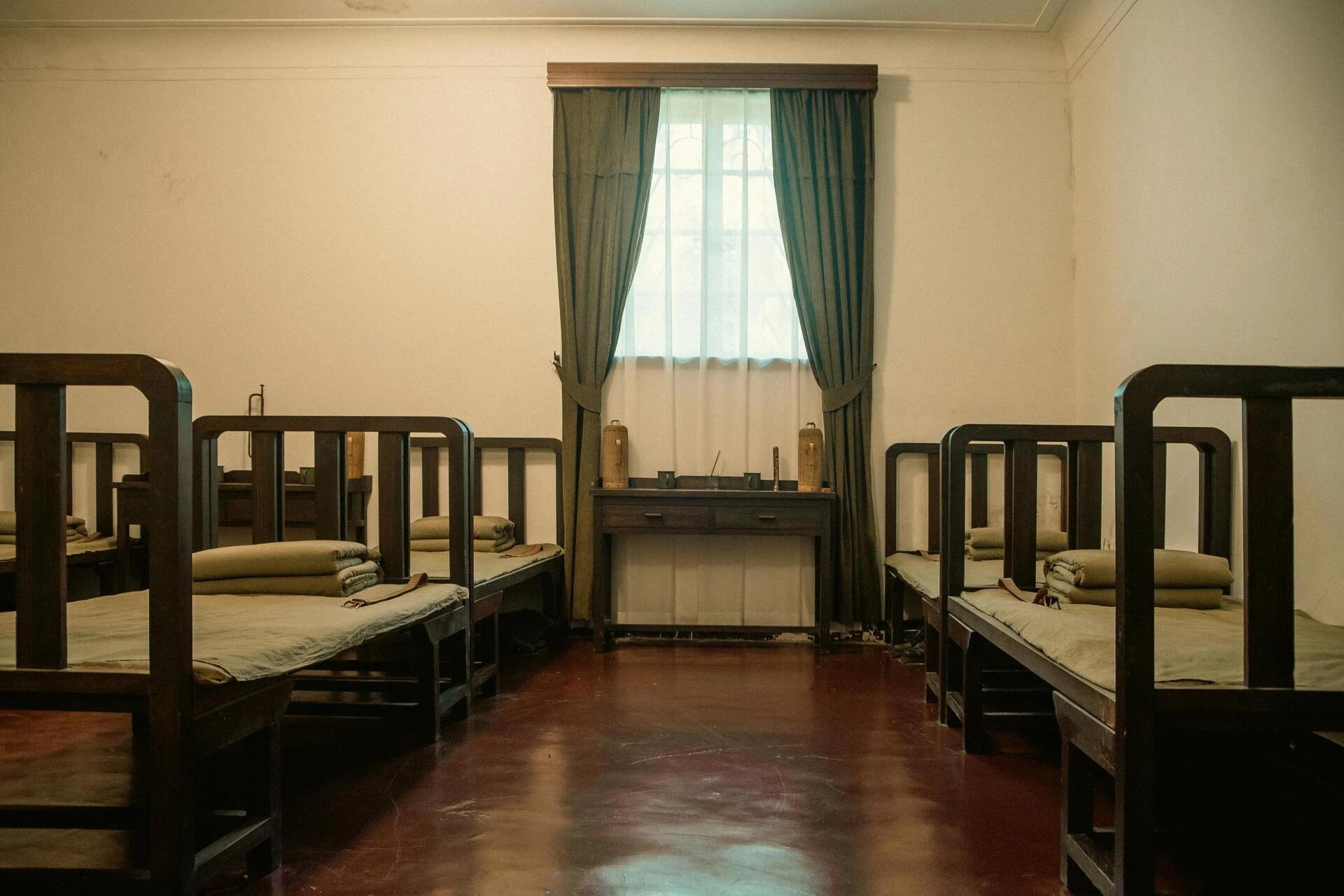
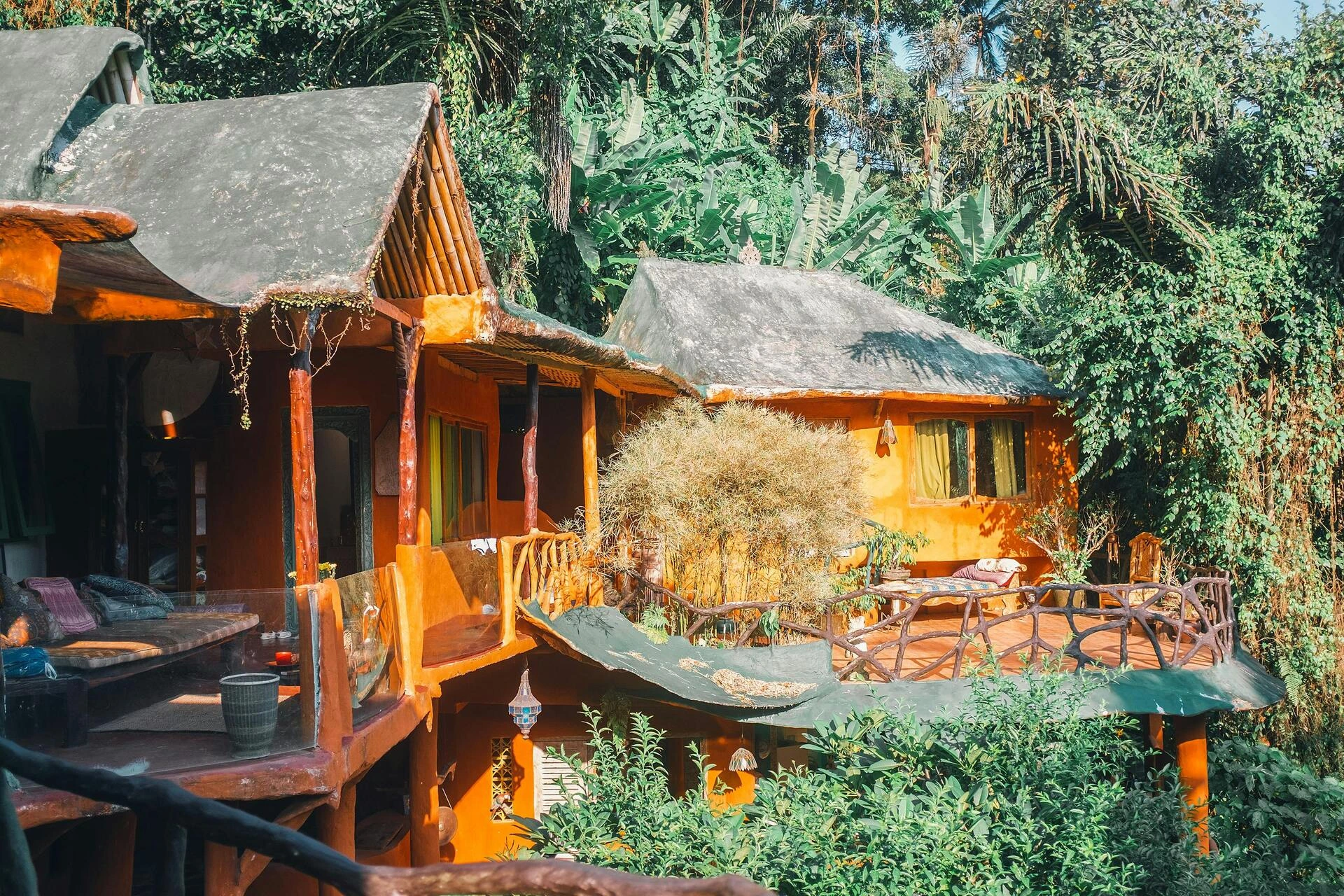
Want a unique experience?
Try spending a night in a jungle cabin (Khao Sok), an eco-lodge by the river (Pai), or glamping with a view of the rice fields.
It's a wonderful way to discover Thailand differently, far from mass tourism.

It all depends on your preferred atmosphere 👇
Sukhumvit: modern, lively, perfect for restaurants and bars.
Siam / Pratunam: great for shopping and large malls.
Old Town (Rattanakosin): ideal for visiting temples and the Grand Palace.
Ari: a more local neighborhood that is both trendy and quiet.
💡 My advice: avoid Khao San Road if you want a good night's sleep—it's the backpacker area, and very lively at night.
Thailand remains very attached to cash, even though card payments are becoming more common 💳
You will find ATMs everywhere (airports, 7-Eleven, tourist areas). ⚠️ Withdrawals from foreign cards almost always incur a fixed fee of around 220 THB (€6) per transaction. 👉 Tip: make one large withdrawal rather than several small ones to avoid cumulative fees.
ATMs accept Visa, Mastercard, Revolut… Look for the words "ATM International" or "Foreign Card Accepted."
There are many currency exchange offices, and they are very competitive, especially in Bangkok (Pratunam or Sukhumvit districts). 💡 The best rates are often found at SuperRich (the orange or green chain).
Visa/Mastercard cards are accepted in most hotels, restaurants, and shopping centers. However, for markets, stalls, taxis, or small restaurants, always carry some cash.
💡 My advice: keep the equivalent of 100 to 150 € in baht for small expenses and activate your overseas payments before you leave.
Good news: no vaccinations are required to travel to Thailand. However, certain precautions are strongly recommended depending on your itinerary.
💡 Other precautions:
Thailand has an excellent healthcare system, particularly in Bangkok, Chiang Mai, and Phuket, with modern hospitals and English-speaking staff.
It is not mandatory, but highly recommended ✋
Why? Because in the event of a problem (scooter accident, infection, lost luggage, etc.), costs can quickly add up.)
👉 Travel insurance will cover you for:
💡 My advice:
Check whether your premium credit card (Gold, Premier, etc.) already includes travel insurance.
If not, expect to pay $30 to $60 for two weeks of dedicated insurance. It's a small investment for peace of mind while traveling.
Nothing too complicated, but a few things to keep in mind ✈️
You can import personal effects and up to:
Good news: Thailand is one of the easiest countries to travel around in Southeast Asia 🇹🇭 Transportation is varied, affordable, and well organized.
An excellent way to discover the country.
The main lines connect Bangkok to Chiang Mai, Ayutthaya, Surat Thani, Hua Hin, etc.
It's slow but picturesque: perfect if you want to admire the scenery and enjoy a local experience. 💡 You can book your tickets online at 12GoAsia or ThaiRailways.
Very frequent and economical. You will find "VIP" buses with reclining seats, air conditioning, and Wi-Fi between major cities (Bangkok ↔ Chiang Mai / Phuket / Krabi, etc.). Night buses allow you to save on a night's hotel accommodation.
Ultra-practical for saving time:
👉 Reliable local airlines: Thai Smile, AirAsia, Nok Air, Bangkok Airways.
Taxis are cheap, but in Bangkok, always ask for the meter. Otherwise, download Grab (the local equivalent of Uber), which is more reliable and transparent.
Essential for traveling between islands. ⚠️ Remember to book the day before during high season. 💡 Journeys often combine bus and ferry (e.g., Bangkok → Koh Tao via Chumphon).
Thailand is nicknamed "the land of smiles," and for good reason 😄 Thai people are welcoming, polite, and very respectful—as long as you are too.
Thailand is a fascinating blend of spirituality, gastronomy, nature, and modernity.
Thai cuisine is an experience in itself. Each region has its own specialties, but here are the must-try dishes:
💡 Eat local! A street food dish for $181 is often much better than a tourist restaurant for $183.
Attend a traditional dance performance in Chiang Mai or Bangkok.
Discover a floating market (Damnoen Saduak, Amphawa).
Try a Thai massage at a local spa (it's life-changing).
Take a cooking class to learn how to prepare your favorite dishes.
As you can see, planning a trip to Thailand requires a bit of organization in terms of the season, transportation, accommodation, and local customs. But don't panic: we've simplified it all for you!
👉 That's exactly why we created voilà, a solution designed for travelers like you who want to enjoy the country to the fullest without getting bogged down in the details.
With this, you will find:

SOUTH KOREA
active
20 Go
remaining
Operator
SKTelecom, LGU+
Expires
In 3d • Jun 12
Top up

THAILAND
active
20 Go
remaining
Operator
AIS
Expires
In 3d • Jun 12
Top up

JAPAN
active
20 Go
remaining
Operator
NTT docomo
Expires
In 3d • Jun 12
Top up
Travel abroad with confidence: no more roaming fees, connection struggles, or unexpected top-ups. With a travel-friendly eSIM, stay connected everywhere, stress-free and surprise-free.

Rony is our in-house travel-connected expert. Always curious and never too far from an airport, he explores the latest destinations while testing the newest eSIM solutions. He signs our articles on travel and mobile technology, with a single mission: to turn his discoveries into clear, reliable, and smart advice to accompany you anywhere in the world.
January 7, 2026
4 min
Are you looking for the best eSIM for traveling to Thailand in 2026? Read our comparison and you'll finally find the eSIM you need!
October 23, 2025
7 min
How to access the internet in Thailand? Everything you need to know to prepare for your trip in the best possible conditions!
February 8, 2026
11 min
Discover the 20 most beautiful places to visit in Thailand: golden temples, paradise beaches, lush jungles... The ultimate guide for your dream trip in 2026!